
If you are looking at comparison options or pulling a quote from an agency like Freeway Insurance, navigating the market can feel confusing. Here is a quick breakdown of how quotes actually work right now, what shapes your premium, and how to spot a genuinely good deal.
1. The Dynamic Dashboard: What Drives Your Quote?
Your insurance premium isn’t pulled out of thin air. It’s calculated using a combination of personal data, regional statistics, and vehicle history. The main factors affecting your rate include:
-
Your Core Profile: Your age, driving history (clean records vs. recent tickets), and continuous coverage status form your baseline risk profile.
-
Location Realities: Denser urban areas or zones prone to extreme weather naturally see higher numbers due to accident frequency or comprehensive risk.
-
The Vehicle Factor: Newer cars loaded with high-tech sensors and advanced driver-assistance systems (ADAS) keep you safer, but they cost significantly more to repair after a fender bender.
To help you visualize how coverage types differ across standard profiles, here is a breakdown of what a typical quote encompasses:
| Coverage Tier | What it Covers | Best For |
| Minimum Liability | Only damage and injuries you cause to otherpeople and their property. | Budget-conscious drivers with older, fully paid-off vehicles. |
| Full Coverage | Liability + Collision (accidents) + Comprehensive (theft, weather, animals). | Financed or leased cars, newer vehicles, or peace of mind. |
2. The Broker Advantage vs. Going Direct
When you use a broker model like Freeway Insurance, you aren't getting a policy directly from them. Instead, they act as a matchmaker.
Instead of filling out ten different forms on ten different sites, a broker takes your information once and shops it across a network of different carriers. This is especially helpful if you have a complex driving history, need an SR-22, or are trying to find an unconventional policy that traditional carriers might automatically reject.
3. How to Trim the Fat Off a Premium
If your latest quote comes back higher than you'd like, you have several levers you can pull to lower it before signing on the dotted line:
-
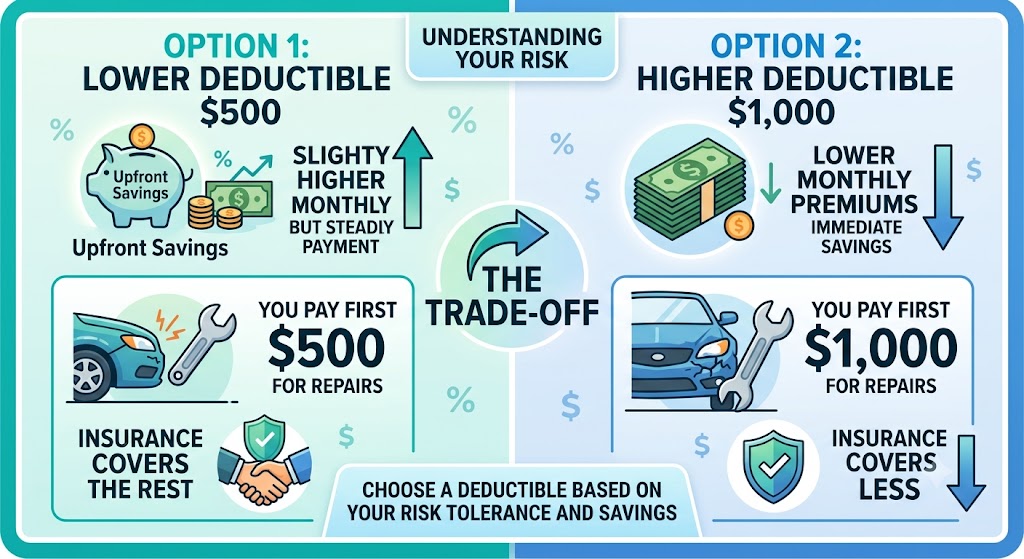
Recalibrate Your Deductible: Moving your deductible from $500 to $1,000 can scale back your monthly premium by 10% to 20%. Just make sure you keep that $1,000 accessible in an emergency fund.
-
Audit Your Add-ons: Roadside assistance, rental car reimbursement, and gap insurance are incredibly useful—but if you already have AAA or your car is paid off, you might be paying for duplicate protection.
-
Ask About the "Easy" Discounts: Most quote engines won't automatically apply every discount. Explicitly ask for paperless billing, autopay, or multi-car policy deductions.
The Takeaway: A quote is just an estimate until an underwriter verifies your data. Keep your driving record clean, take 10 minutes to compare tiers, and don't pay for more structural coverage than your vehicle’s actual cash value justifies.