
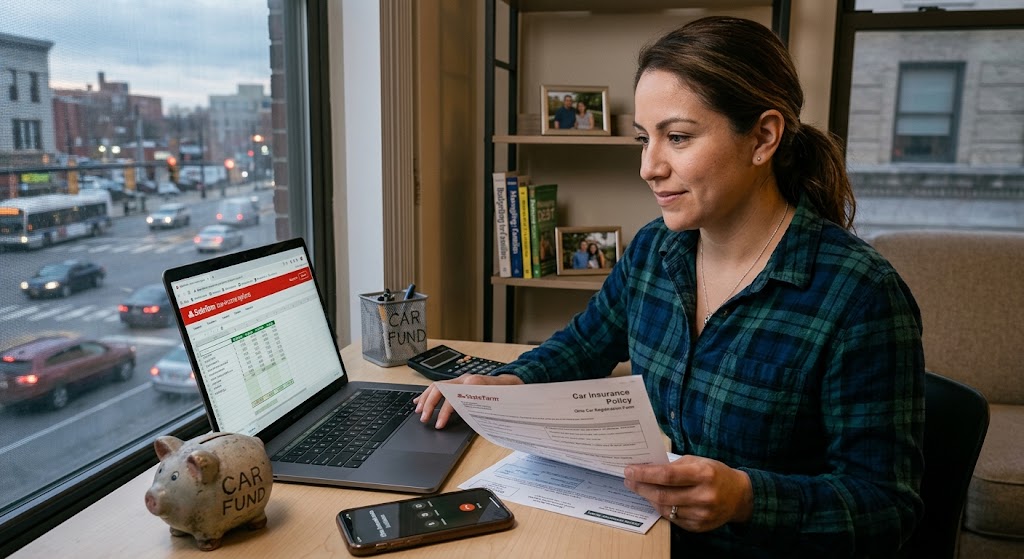
Driving without car insurance isn’t just a legal risk—a single accident can set you back financially for years. However, when money is tight, keeping up with monthly auto insurance premiums can feel overwhelming.
The good news? You don't have to choose between keeping your car legal and keeping food on the table. From state-backed assistance programs to clever policy adjustments, here is your practical roadmap to finding low-cost auto insurance.
1. Look into State-Sponsored Assistance Programs
While standard insurance companies don't offer special "low-income" discounts, three states offer government-backed programs designed specifically for low-income drivers:
-
California (CLCA Program): The California Low Cost Automobile Insurance Program offers basic liability coverage for income-qualified drivers operating vehicles valued at $25,000 or less. Annual rates can be as low as $190 to $920 depending on county.
-
New Jersey (SAIP / Dollar-a-Day): The Special Automobile Insurance Policy costs $365 per year ($1 a day) for drivers receiving Medicaid. It primarily covers emergency medical care after an accident.
-
Hawaii (HJUP): Hawaii provides free liability insurance to qualifying low-income individuals receiving Supplemental Security Income (SSI) or specific state public assistance.
2. Opt for State Minimum Coverage
If state assistance isn't an option, sticking to your state’s minimum required coverage is the fastest way to drop your monthly bill.
While a full-coverage policy (including collision and comprehensive) covers repairs to your own car, a state-minimum policy covers third-party damage and bodily injuries to keep you legal on the road at a fraction of the cost.
-
When does this make sense? If your vehicle is paid off, older, or worth less than a few thousand dollars.
3. Proven Hacks to Cut Premium Costs
|
Action Plan |
How It Saves You Money |
|
Raise Your Deductible |
Raising a deductible from $250 to $500 or $1,000 instantly lowers your monthly payment. |
|
Complete a Defensive Driving Course |
Taking an accredited online course takes a few hours and earns a 5%–10% discount on premiums. |
|
Switch to Pay-Per-Mile Insurance |
If you drive short distances or work from home, telematics or usage-based insurance tracks mileage to lower rates. |
|
Set Up Auto-Pay & Paperless |
Insurers often knock off $5 to $10 per month just for setting up electronic payments and billing. |
4. Don't Let Your Coverage Lapse!
If you find yourself struggling to pay a bill, contact your insurance provider immediately rather than letting the policy cancel.
Driving uninsured leads to suspended licenses, heavy fines, and future premium spikes. Many insurance providers offer:
-
Extended grace periods
-
Split-payment installment schedules
-
Premium restructuring to prevent coverage gaps
You don't need expensive comprehensive coverage to stay legal and secure on the road. By comparing state-minimum rates, leveraging available state programs, and making minor policy tweaks, you can protect your wallet without losing your wheels.