
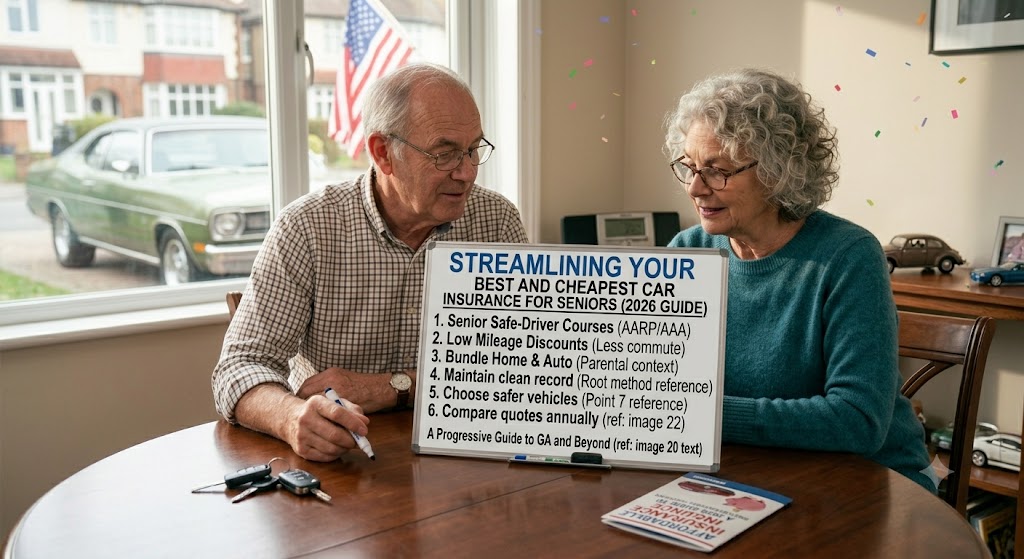
However, many older adults are surprised to find that their auto insurance premiums don't always drop in tandem with their daily commutes. In fact, data shows that once drivers cross the age of 75, insurance companies often begin raising rates slightly due to generalized demographic risk profiles.
The good news? If you are a senior with a lifetime of safe driving experience under your belt, you possess immense leverage. By adopting a proactive approach and applying a few targeted strategies, you can easily secure top-tier coverage without overpaying.
Understanding the Senior Premium Shift
Insurance underwriting relies entirely on historical statistics. For decades, drivers in their 50s and 60s enjoy some of the lowest average rates in the industry because they are statistically the safest, most experienced operators on the road.
However, as drivers move deeper into their 70s, average full-coverage insurance premiums can rise from around $2,274 annually at age 65 to over $2,620 by age 75—a roughly 15% increase. To counter this age-based uptick, seniors must intentionally seek out specialized discounts and modern coverage alternatives.
4 Strategic Steps to Lower Senior Auto Premiums
1. Capitalize on "Mature Driver" and Defensive Driving Discounts
Many major insurance providers offer direct, percentage-based discounts simply for reaching a certain age (often 55 or 60). However, the most substantial savings come to those who actively prove their commitment to road safety.
-
The Strategy: Completing an approved senior defensive driving course—such as those hosted online by AARP or AAA—can instantly slash your premium by 5% to 15%. These courses refresh your knowledge on defensive maneuvering and changing road tech, and the certificates are typically valid for three consecutive years of savings.
2. Transition to Pay-Per-Mile or Usage-Based Insurance
If you have transitioned out of a traditional full-time career, your vehicle usage patterns have likely shifted dramatically. Continuing to pay a fixed-rate monthly premium when your car spends most of its time in the driveway is an avoidable expense.
How it Works: Switching to a usage-based program (like Progressive's Snapshot or Allstate's Drivewise) or a strict pay-per-mile model allows an app or device to track your actual driving habits.If you drive under 5,000 to 7,500 miles a year and avoid midnight road trips, your premiums can drop significantly compared to traditional corporate rate structures.
3. Seek Out Group Affiliations and Tailored Carriers
Don't overlook the power of specialized organizational memberships. If you belong to senior advocacy networks or have a military background, you are sitting on immediate discounts:
| Special Classification | Primary Carrier Options | Core Benefit |
| AARP Members | The Hartford | Exclusive policy rates, lifetime repair assurance, and accident forgiveness |
| Veterans / Military Families | USAA | Consistently ranks as the lowest-cost premium provider for seniors nationwide |
| Civic/Union Alumni | Travelers / Nationwide | Regional discounts for retired educators, government workers, or corporate groups |
4. Optimize Vehicle and Deductible Metrics
The structural design of your policy offers immediate levers for cost control. If your current vehicle is an older model that is entirely paid off, look closely at the math behind your comprehensive and collision coverages. If the annual premium plus your deductible exceeds the actual cash value of the vehicle, dropping down to a liability-only framework can cut your bill in half.
If you prefer to keep full coverage intact for peace of mind, raising your deductible from a low tier like $250 up to $1,000 will lower your ongoing monthly or annual costs by up to 30%.
Securing affordable auto insurance as a senior isn't about compromising on customer service or cutting back on crucial liability protection. It is about demanding that your premium reflects your modern lifestyle. Take the time to gather competing quotes from at least three distinct carriers every year, declare your lower annual mileage, and cash in on the safe driving record you spent a lifetime building.