
The Reality Check on Today's Rates
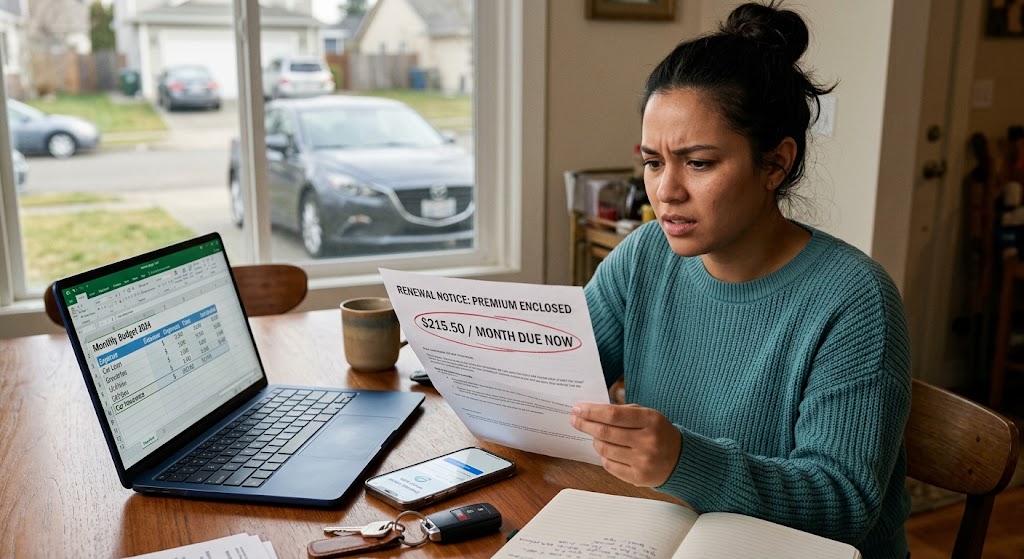
When I bought my car, I budgeted for the monthly auto payment, routine oil changes, and the occasional tank of gas. What I wasn't prepared for was the sticker shock when my car insurance renewal notice hit my inbox.
In the United States, auto insurance rates have risen significantly due to vehicle repair costs, supply chain disruptions, and higher claim amounts. Whether you are insuring a brand-new vehicle or a reliable daily commuter, understanding average costs helps you evaluate if you are overpaying.
5 Factors Driving Your Monthly Premium
Insurance companies determine your rate using a complex formula. Here are the primary levers that push your premiums up or down:
-
Location & ZIP Code: Urban areas with higher traffic density, theft rates, and uninsured drivers cost noticeably more than rural suburbs.
-
Age & Driving Record: Drivers under 25 pay substantially higher rates. A single speeding ticket can increase your rate by 20–30%, while an at-fault accident can spike it by 40% or more.
-
Vehicle Make & Model: High-tech vehicles equipped with complex sensors and expensive replacement parts cost significantly more to insure than standard sedans.
-
Credit History: In most U.S. states, insurers use credit-based insurance scores to predict claim risk. A higher credit score directly correlates with lower premiums.
-
Deductible Selection: Choosing a $1,000 deductible instead of a $500 deductible can instantly drop your monthly full-coverage premium by 10–15%.
4 Actionable Steps to Lower Your Premium
If your bill feels out of hand, you don't have to accept it passively. Here are the four strategies that saved my monthly budget:
-
Shop Around Annually: Loyalty rarely pays in insurance. Get competing quotes from at least three major carriers every 12 months.
-
Bundle Policies: Combining your auto insurance with renters, homeowners, or secondary vehicle policies routinely unlocks 10–25% multi-policy discounts.
-
Audit Your Discounts: Call your provider and verify if you qualify for low-mileage discounts, safe driver programs, defensive driving course credits, or paperless billing perks.
-
Raise Your Deductible: If you have an emergency fund capable of covering a higher out-of-pocket cost during a claim, raising your deductible will immediately lower your fixed monthly expense.